
The evolution of gambling tracing its historical roots and cultural significance
The Origins of Gambling
The history of gambling can be traced back to ancient civilizations, where games of chance were often associated with rituals and divination. Archaeological findings suggest that as early as 3000 BC, the Chinese were using rudimentary forms of gambling, including dice and betting on the outcomes of various games. The discovery of gambling artifacts, such as Keno slips, indicates that this practice was not merely a pastime but a significant cultural activity that involved community participation. Furthermore, players seeking a robust online gaming experience can visit https://www.doctorspinsapp.com.
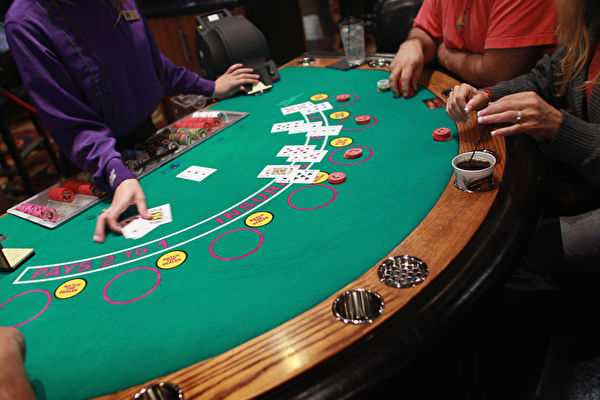
In ancient Rome, gambling was commonplace among citizens, often tied to social gatherings and celebrations. Romans indulged in various betting games, including dice games, and even wagered on gladiatorial contests. The culture surrounding gambling evolved, creating a social hierarchy where affluent individuals could bet larger sums, further embedding the practice into the social fabric of Roman life. This historical context highlights that gambling was not only about chance but also about social status and public identity.
Similarly, in ancient Greece, gambling was prevalent in both social and athletic events. The Greeks developed various forms of gambling, including betting on the outcomes of games in the Olympic Games. Their emphasis on competition and fairness in sports translated into a belief in chance, leading to a structured environment where gambling thrived. The historical roots of gambling in these early societies illustrate its integration with social norms and cultural practices that would evolve over centuries.
The Rise of Formalized Gambling
As civilizations advanced, so did the methods and regulations surrounding gambling. The establishment of formal rules and structures began in the Middle Ages, particularly in Europe, where gaming houses started to emerge. The first known casino, the Ridotto, opened in Venice in 1638, signifying a shift towards organized gambling that provided a controlled environment for bettors. This formalization not only increased the popularity of gambling but also attracted a wider audience, including those from various social classes.
During this period, various games of chance became institutionalized, leading to the invention of modern games such as poker and blackjack. The establishment of lotteries in the 16th century also marked a significant development in the gambling landscape. Governments saw the potential for revenue generation through regulated betting, leading to a proliferation of state-sponsored lotteries. This period reflects the merging of economic interests with gambling practices, highlighting its growing acceptance in society.
The 19th century witnessed the rise of casinos in France and the United States, further popularizing gambling as a leisure activity. The introduction of slot machines in the late 1800s added a new dimension to gambling, making it accessible to even those unfamiliar with traditional games. The spread of gambling establishments mirrored the expansion of urban areas, as cities became centers of entertainment, enabling gambling to become deeply woven into the cultural identity of modern society.
The Cultural Impact of Gambling
Gambling has transcended mere entertainment, becoming a cultural phenomenon that reflects societal values and practices. From literature to film, gambling has been depicted as a symbol of both fortune and folly, highlighting the duality of chance. Classic works of literature often explore the moral dilemmas associated with gambling, such as Dostoevsky’s “The Gambler,” which delves into the obsession and consequences of gambling addiction, reflecting societal attitudes towards risk and reward.
In various cultures, gambling is intertwined with rituals and communal events. For instance, in some Asian cultures, gambling is a traditional part of celebrations, symbolizing luck and prosperity. Festivals featuring gambling games, such as Sic Bo and Pai Gow, create a festive atmosphere where people come together to celebrate and bond. This cultural significance demonstrates that gambling often serves to strengthen social ties and community identity, bridging generational gaps through shared experiences.
Moreover, the rise of technology has transformed gambling into a global phenomenon, allowing people to engage in various forms of betting from the comfort of their homes. Online gambling platforms have gained immense popularity, expanding the accessibility of gambling to a wider audience. This digital evolution reflects changing cultural attitudes towards gambling, as it becomes increasingly normalized in contemporary society, while also presenting challenges regarding addiction and regulation.
The Modern Landscape of Gambling
Today, gambling encompasses a myriad of activities, ranging from traditional casinos to online gaming platforms. The regulatory landscape has evolved, with many governments implementing strict laws to ensure fair play and consumer protection. The growth of mobile gambling has particularly revolutionized the industry, allowing individuals to gamble at their convenience. This trend not only caters to the younger demographic but also raises questions about the implications for responsible gambling and addiction treatment.
Additionally, the integration of technology has led to innovations such as live dealer games, which bring the authentic casino experience into players’ homes. Virtual reality (VR) and augmented reality (AR) technologies are also on the horizon, promising immersive gambling experiences that blur the lines between reality and the virtual world. These advancements reflect a continuous evolution that seeks to enhance player engagement while offering new challenges for regulatory bodies.
The dialogue surrounding gambling has expanded, addressing issues such as responsible gambling and the societal impact of gaming addiction. Initiatives aimed at promoting safe practices and educating the public about the risks associated with gambling are becoming increasingly prominent. This evolving discourse highlights the need for a balanced approach that respects cultural traditions while addressing modern challenges in the gambling landscape.

Discovering Doctor Spins Casino
Among the many options available in today’s gambling landscape, Doctor Spins Casino stands out as a premier online gaming destination. Catering primarily to British players, the platform features an extensive selection of over 500 games, including video slots, live dealer offerings, and classic table games. This diverse collection ensures that players of all preferences and skill levels can find something to enjoy, enhancing the overall gaming experience.
Doctor Spins Casino emphasizes security and user satisfaction, employing advanced SSL encryption to safeguard personal and financial information. New users can take advantage of a generous welcome package, which includes substantial bonuses and free spins, making it easier to explore the diverse offerings available on the site. The platform also embraces modern payment methods, including cryptocurrencies, ensuring convenience for all players.
With 24/7 customer support, Doctor Spins Casino prioritizes player satisfaction and safety, creating an enjoyable environment for everyone involved. As the gambling landscape continues to evolve, platforms like Doctor Spins Casino embody the integration of technology, user-friendly design, and a commitment to responsible gaming practices, making it a notable player in the contemporary online gambling arena.